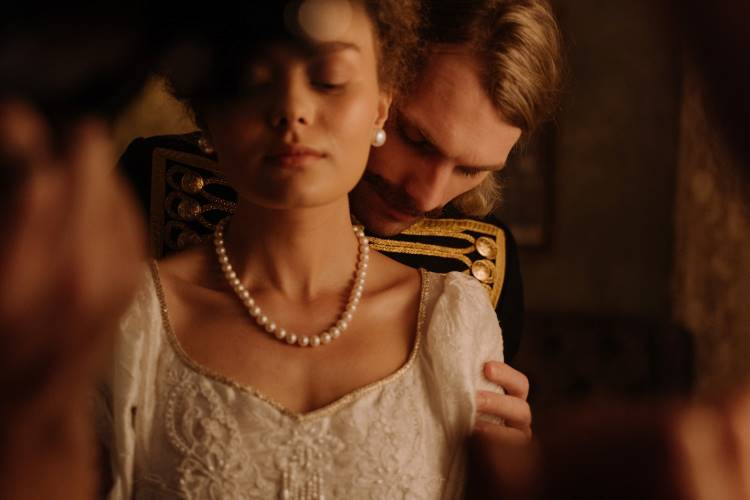
Love, the eternal muse of human existence, surpasses the boundaries of time and culture. From the archives of history, love stories have woven themselves into the fabric of human experience, reflecting the complex facets of human connection, passion, and devotion. Let us explore the diverse dimensions of love and its indelible mark on history.
Human Connection of Love
Throughout the ages, the enigmatic dance of love remains an ever-present force, intertwining lives with threads of emotion, passion, and vulnerability. Love stories, whether set in the era of ancient civilizations or modern societies, mirror the universal desire for companionship, understanding, and acceptance. From Cleopatra and Mark Antony’s legendary romance to the quiet devotion of Marie Curie and Pierre Curie, the human yearning for connection resonates through time.
Dating & Courting
In eras when arranged marriages and societal norms reigned supreme, the concept of dating as we know it today was a distant notion. Instead, courting rituals dictated the path to love. From chaperoned walks to elegantly penned love letters, individuals navigated a delicate dance of wooing and courtship. The Victorian era showcased elaborate rules of engagement, where sophisticated etiquette governed every interaction between potential lovers.
Sex in times past
Exploring love stories through history wouldn’t be complete without acknowledging the evolution of attitudes toward sex. From the Puritanical ideals of restraint to the more liberal expressions of the 1960s and 1970s, societal norms greatly influenced the portrayal and understanding of intimacy. Even in societies where conservative values prevailed, tales of passion and illicit affairs succeed in finding their place, though often shrouded deep in secrecy and whispered confidences.
Historical Love & Guidelines
Each era has its own set of rules and norms governing love and relationships. The Middle Ages, for instance, presented the concept of courtly love—an intricate framework where nobles expressed admiration for each other, often discreet and unconsummated. Fast forward to the Jazz Age, and love stories found a new rhythm in the liberated attitudes of the time, fueled by flapper culture and societal shifts of women becoming bolder and outspoken.
In the 19th century, the societal constraints faced by Jane Austen’s heroines mirrored the limitations placed upon women’s choices and autonomy. Yet, within those constraints, love stories blossomed, often against the odds. Austen’s novels—filled with wit, social commentary, and tender romance—continue to resonate with readers today.